Raviraj Soman here. Today, let’s get scientific.
Conservation is often driven by emotion—the cute face of a cub, the majestic walk of an elephant. But effective conservation is driven by data. And that data starts with a Biodiversity Survey.
The Baseline
Before any project begins—whether it's a new mine, a road, or a conservation area—we need to know what is already there. This is the Baseline. If we don’t count the frogs now, we won’t know if they disappear ten years later.
The Indicators
We look for indicator species. Lichens tell us about air quality. Amphibians tell us about water purity. The presence of apex predators tells us the prey base is healthy. A survey isn't just a list; it's a health report card for the environment.
The Mammoth Methodology
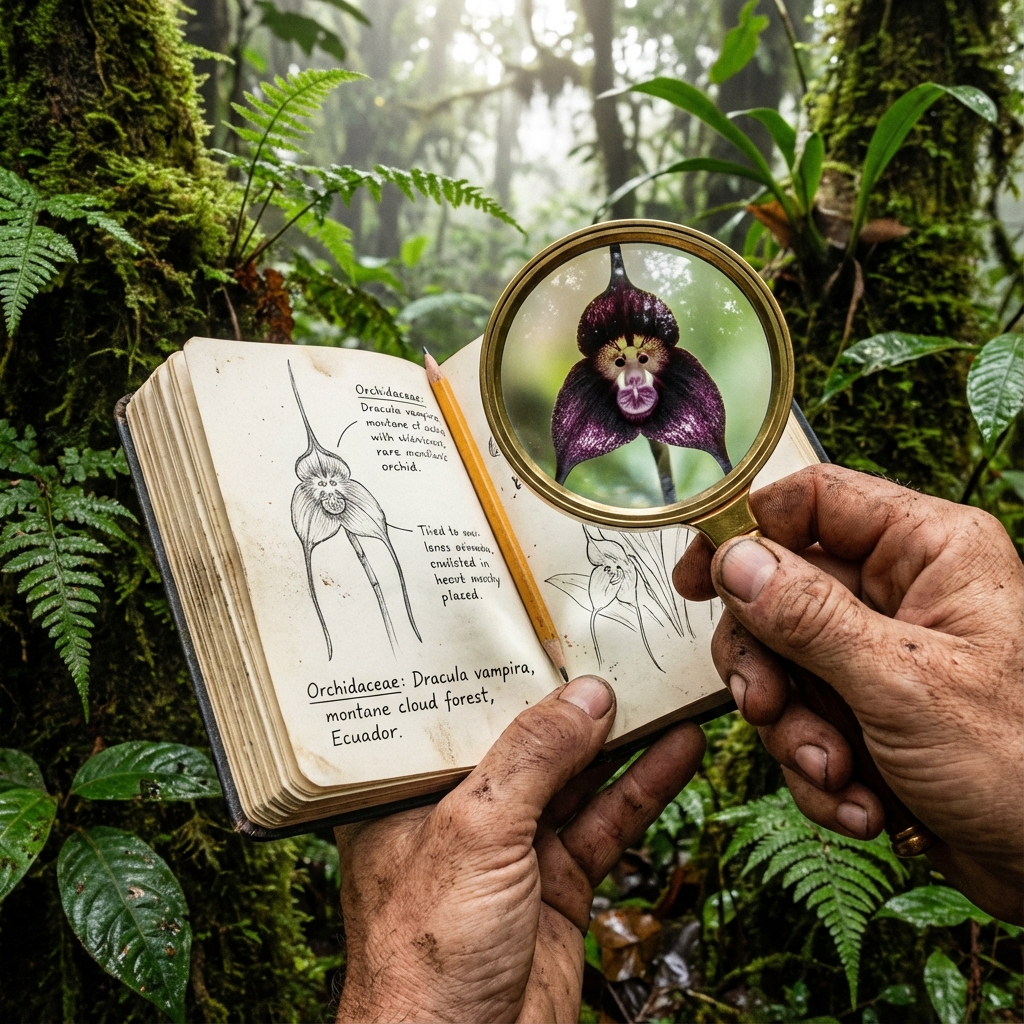
When our team goes into the field, we use transect lines, camera traps, and acoustic monitoring. It’s grueling work. Leeches, thorns, rain. But finding a rare orchid or recording the call of a critically endangered bird makes it all worth it.
Data saves lives. It informs policy. It stops reckless development. So the next time you see scientists counting grass blades, give them a nod. They are writing the insurance policy for our planet.
Count everything,
- Raviraj Soman
