Welcome back to Field Notes. It's Raviraj Soman.
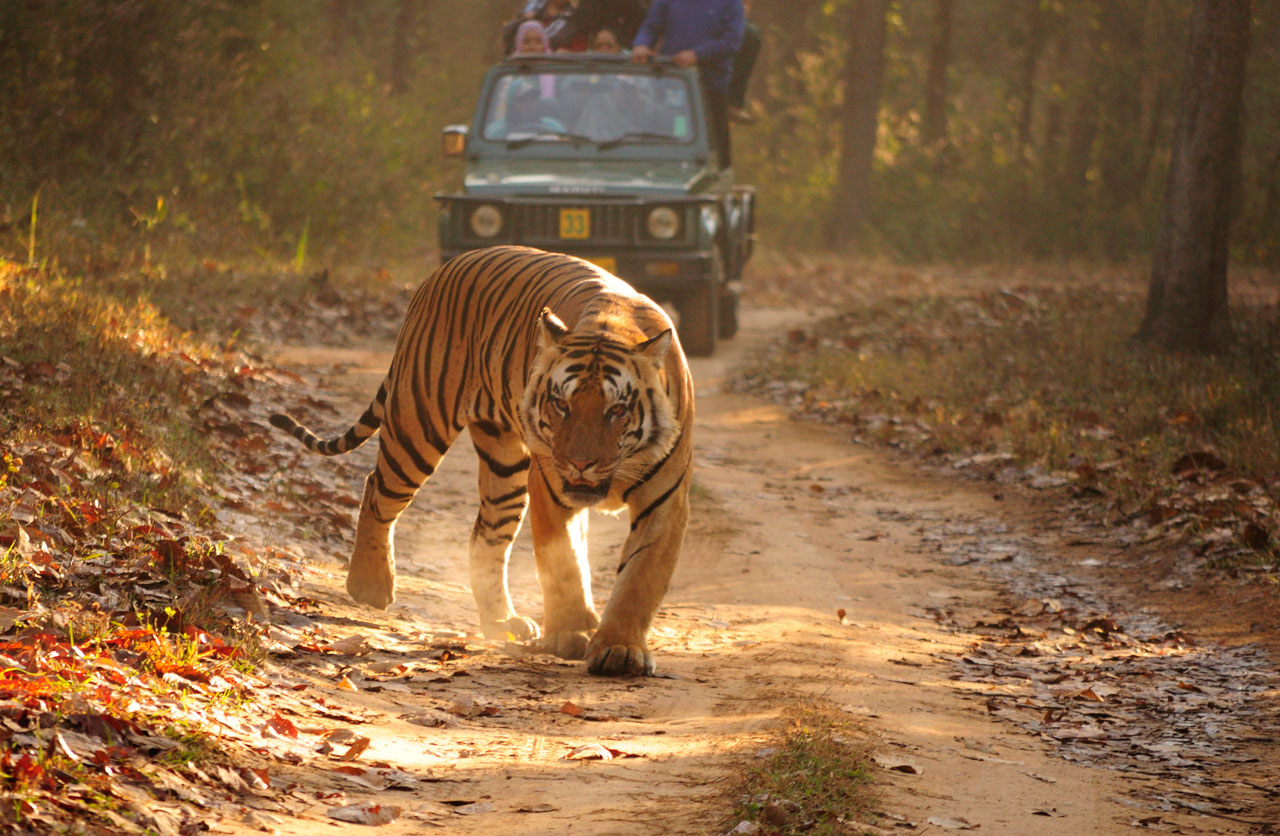
Kanha is not just a place; it’s a living, breathing entity that changes its clothes with the passing moons. People often ask me, "When is the best time to see a tiger?" My answer is usually, "When the tiger wants to be seen." But practically speaking, the seasons dictate the experience.
Winter: The Misty Dream (November - February)
Imagine this: You are wrapped in three layers of wool. The open jeep is freezing. Your breath hangs in the air. And then, the sun pierces through the Sal trees, illuminating the mist rising from the meadows. This is Kanha in winter.
The Barasingha (Swamp Deer) look majestic with their "moss-velvet" antlers during the rutting season. Bird activity is high as winter migrants arrive. The mornings are magical, though tiger sightings can be harder as they love the warmth of the deep grass.
Summer: The Golden Exposure (March - June)
As the heat ramps up, the jungle turns golden beige. The grass dries, the waterholes shrink, and the viewing lines open up. For the photographer chasing the tiger, this is the prime time.
Why? Because water is life. Animals are forced to congregate around the few remaining water bodies. You will sweat, you will be covered in dust, but the chances of seeing a tiger cooling off in a saucer pool are incredible. The "real" wildlife enthusiasts love the summer for its raw intensity.
Monsoon: The Rejuvenation (July - September)
The core zones of Kanha close for the monsoon, and rightly so. This is the time for the forest to heal, for the animals to breed in peace without our prying eyes. It rains, it pours, and the forest turns a neon green. While safaris are closed, the buffer zones often remain open, offering a lush, completely different perspective for the botany lover.
My Verdict?
If you want comfort and atmosphere, choose February. If you want tigers and don't mind the heat, choose May.
Whatever you choose, Kanha never disappoints.
Stay wild,
- Raviraj Soman
