Raviraj Soman here. I’ve seen many cameras in my time. Some big, some small. But the best camera is always the one that’s ready.
Wildlife photography in Indian jungles is tricky. The light is dappled, the subject is camouflaged, and the moment is fleeting. Here are my top tips to help you get the shot.
1. Eye Level is Engagement
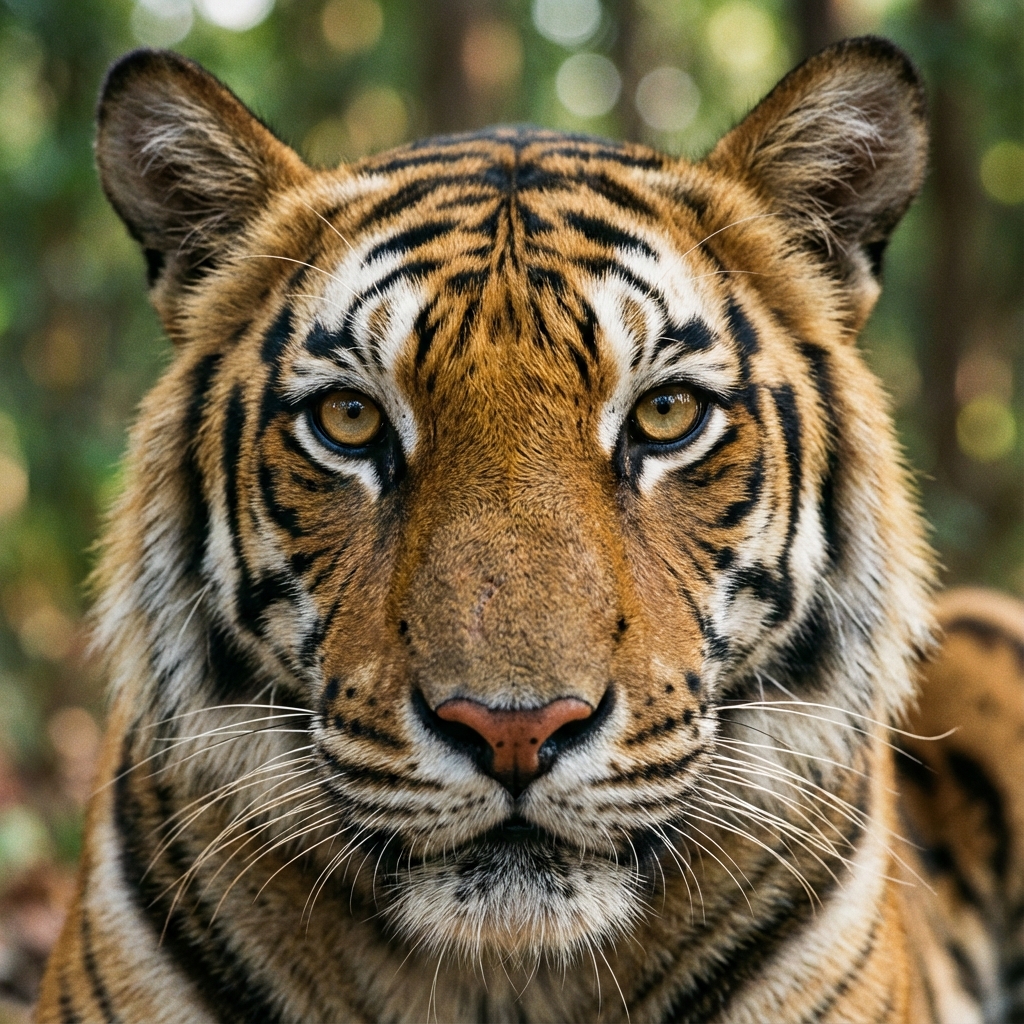
Stop shooting from the top of the gypsy. Get low (safely). When you are at the animal's eye level, the viewer enters their world. It creates intimacy. A tiger looking *up* at you is just a cat; a tiger looking *at* you is a soul.
2. Know Your Subject
Photography is 20% gear and 80% biology. If you know that a Langur's alarm call means a predator is moving, you’ll be ready. If you know that Kingfishers return to the same perch, you can pre-focus. Anticipation beats reaction every time.
3. Shutter Speed is King
In the jungle, animals move fast. Keep your shutter speed high. For birds, I rarely go below 1/1000th. For tigers, 1/500th might suffice if they are walking. Don't be afraid to pump up the ISO. A grainy photo is better than a blurry one.
4. Don't Forget the Habitat
Close-up portraits are great. But "animal in habitat" shots tell a story. Show the trees, the river, the mist. Let the animal be a part of the landscape. These are the shots that win awards.
And finally, remember to put the camera down once in a while. Don't experience the whole safari through a viewfinder.
Focus sharp,
- Raviraj Soman
